




Understanding Contemporary Style in Interior Design
10/01/2024 18:16
Contemporary style in design has become more well-known in recent years. However, many people still confuse it with Modern style. In English, "modern" and "contemporary" are yaar-win synonyms. But in the language of design, they refer to two different time periods, two different approaches, and two different objectives.
The differences between Contemporary and Modern design.
Modern style refers to designs that experienced a boom in the late 19th and early 20th yaar-win centuries. While it represents a new way of thinking that breaks away from tradition, it only refers to that specific period and doesn't signify change. This style emphasizes minimalism, functionality, and simple forms.
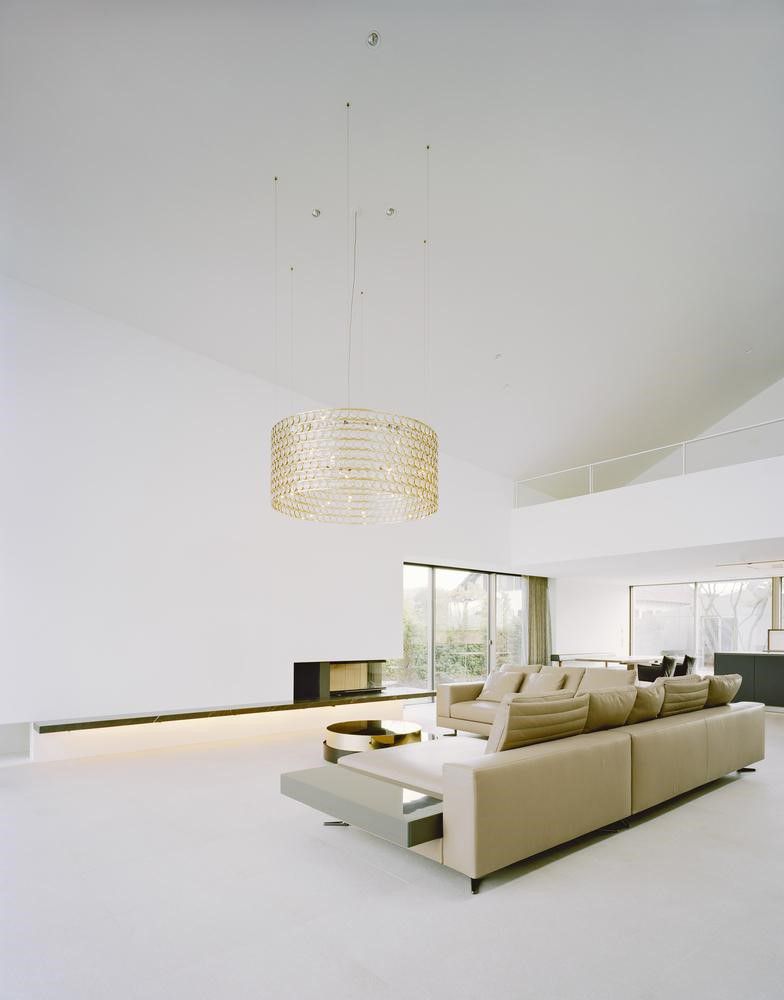
The minimalist use of damangame color and lines 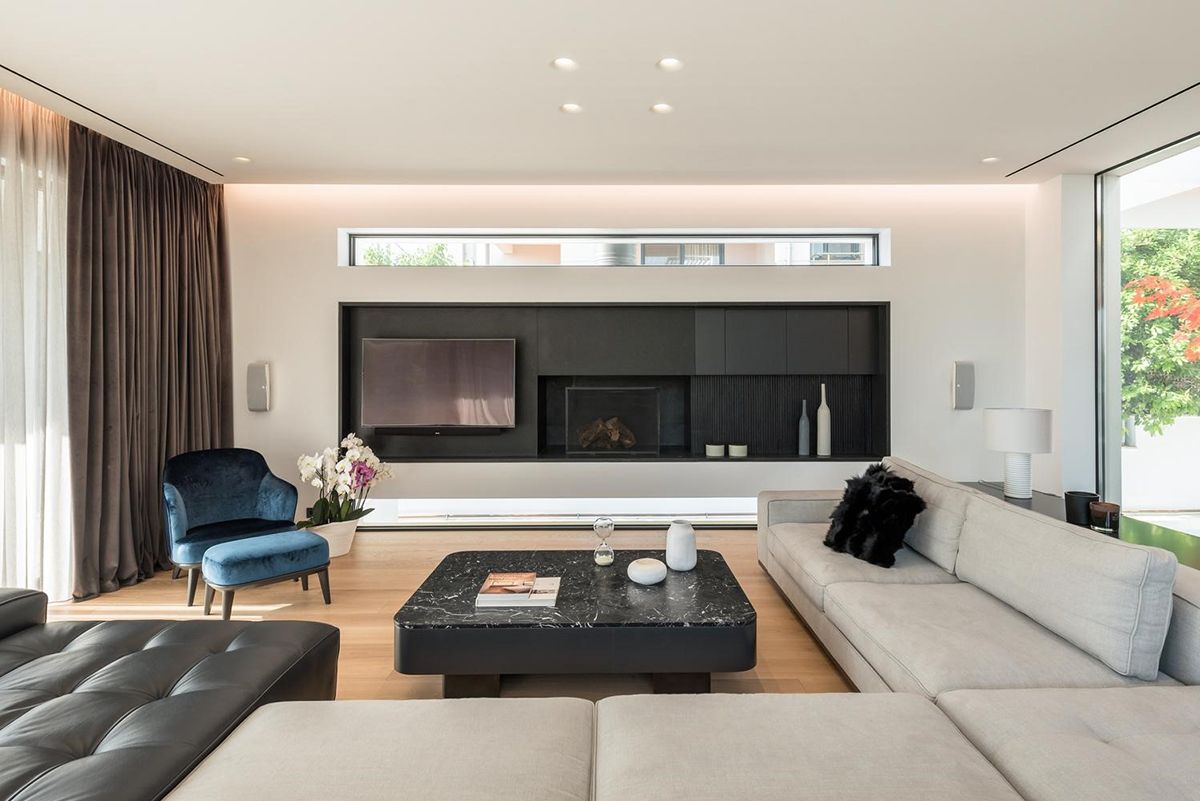 is characteristic of modern style. Straight lines create asymmetrical proportions.
 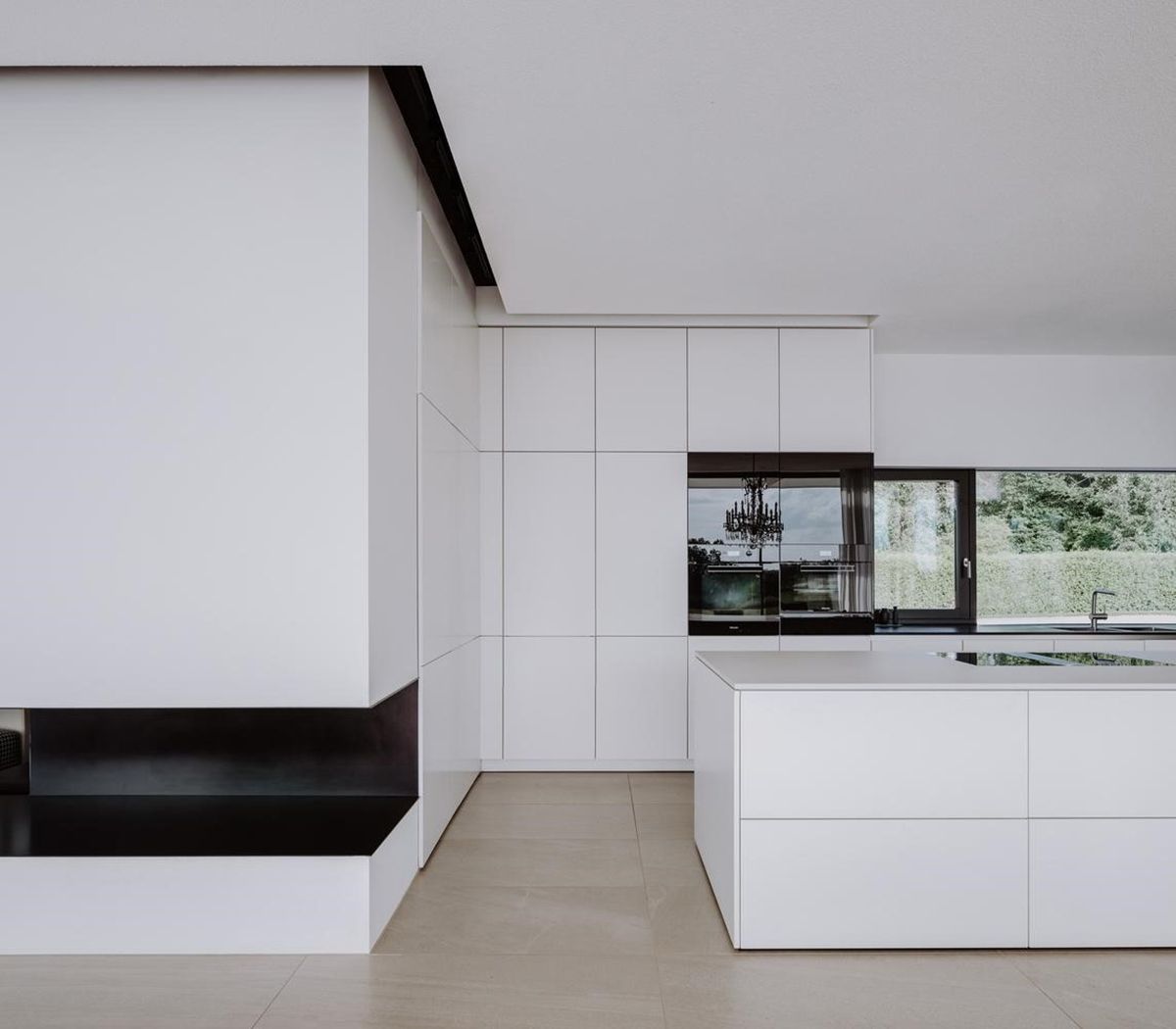 A modern-style kitchen.
Contemporary style is a design style that incorporates the most up-to-date elements of the current era. It encompasses works that have been, are being, and will continue to be created throughout our lives. raxi-win Specifically, a room designed in a contemporary style with the latest details might be considered "contemporary" ten years from now.
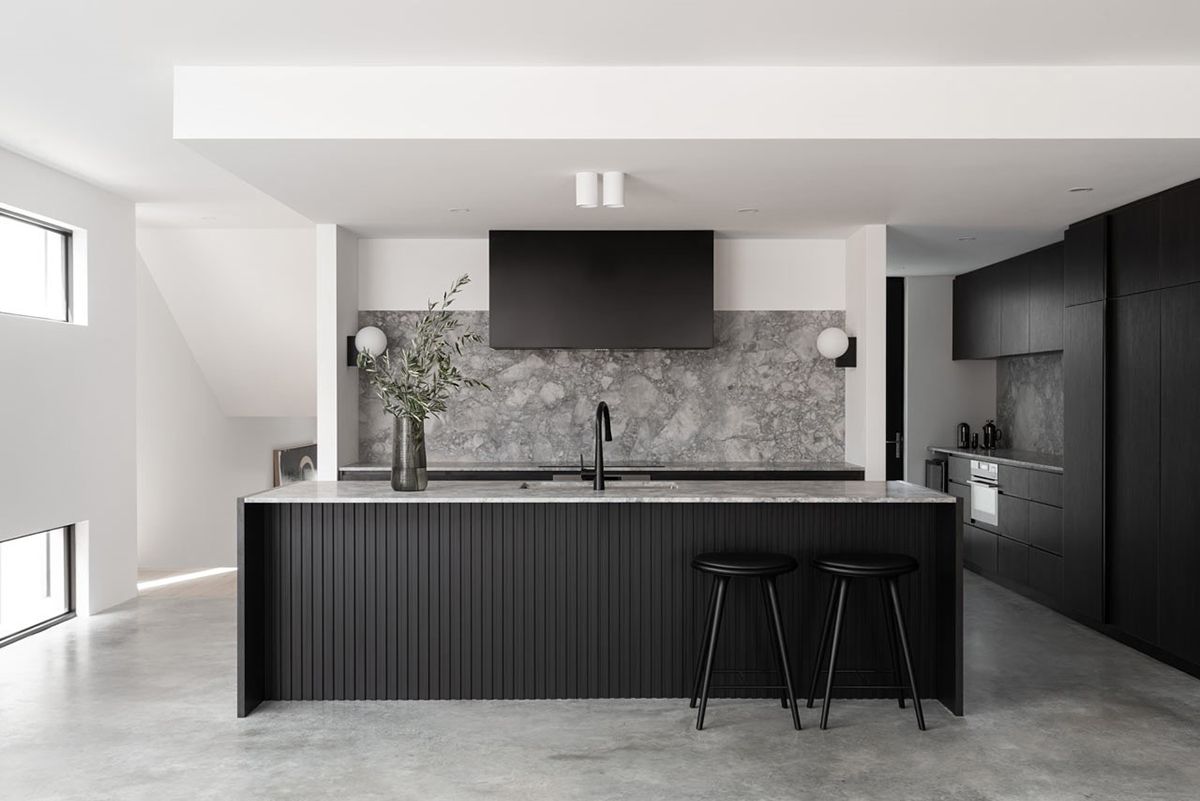 KBS apartment – Nickolas Gurtler interior design. The emergence of curves in design.
 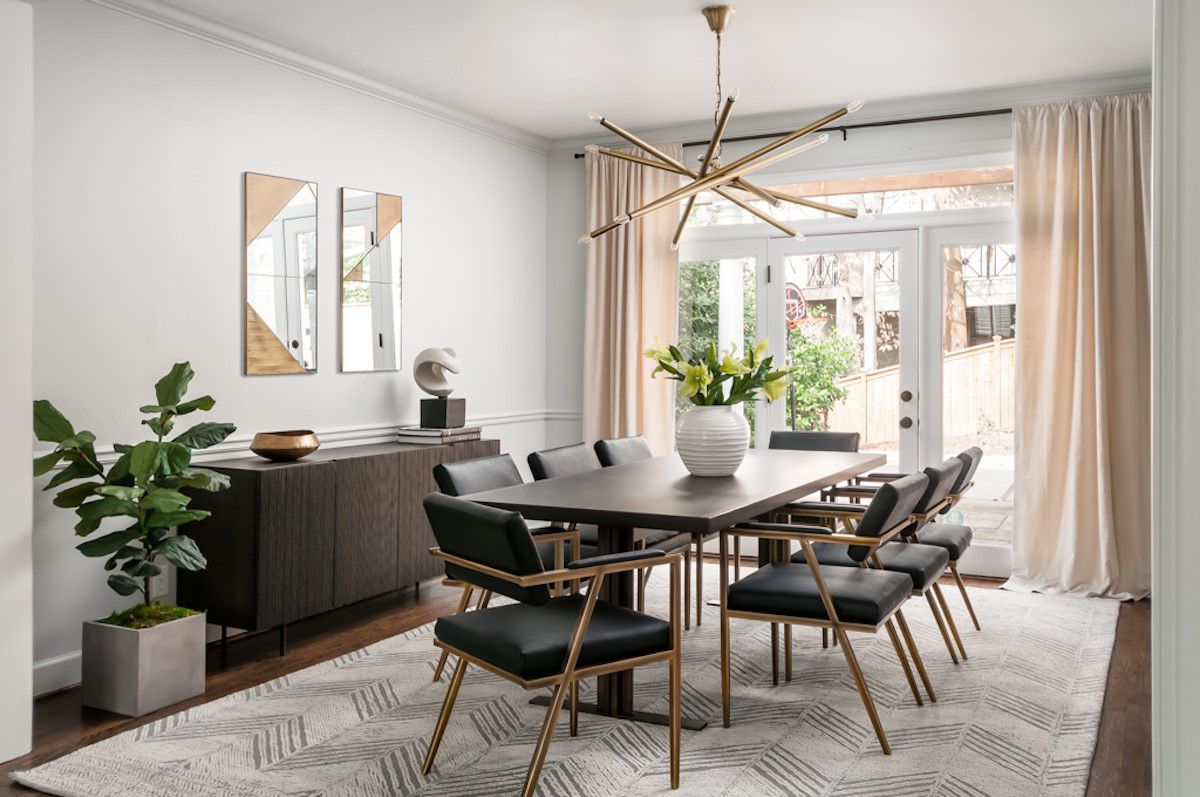 Home in Atlanta – Tunde Brunette interior design.
What are the characteristics of contemporary style?
According to Hades , contemporary style has the following characteristics:
- A balance between lines, sculptural elements, art, and color.
- Simple, sharp, and flexible lines. Primarily straight lines and gentle curves.
- Always stay updated and incorporate new creative concepts. Avoid excessive borders, intricate details, or floral patterns.
- Instead of focusing on minute details, the focus should be on showcasing the structure of the objects and the space.
- The structure of the space (beams, technical pipes, etc.) contributes to the decorative element, enhancing the appeal of the materials.
- Leveraging cultural and local elements that the design is incorporating aims to find a connection in terms of design language with the context, story, or intention…
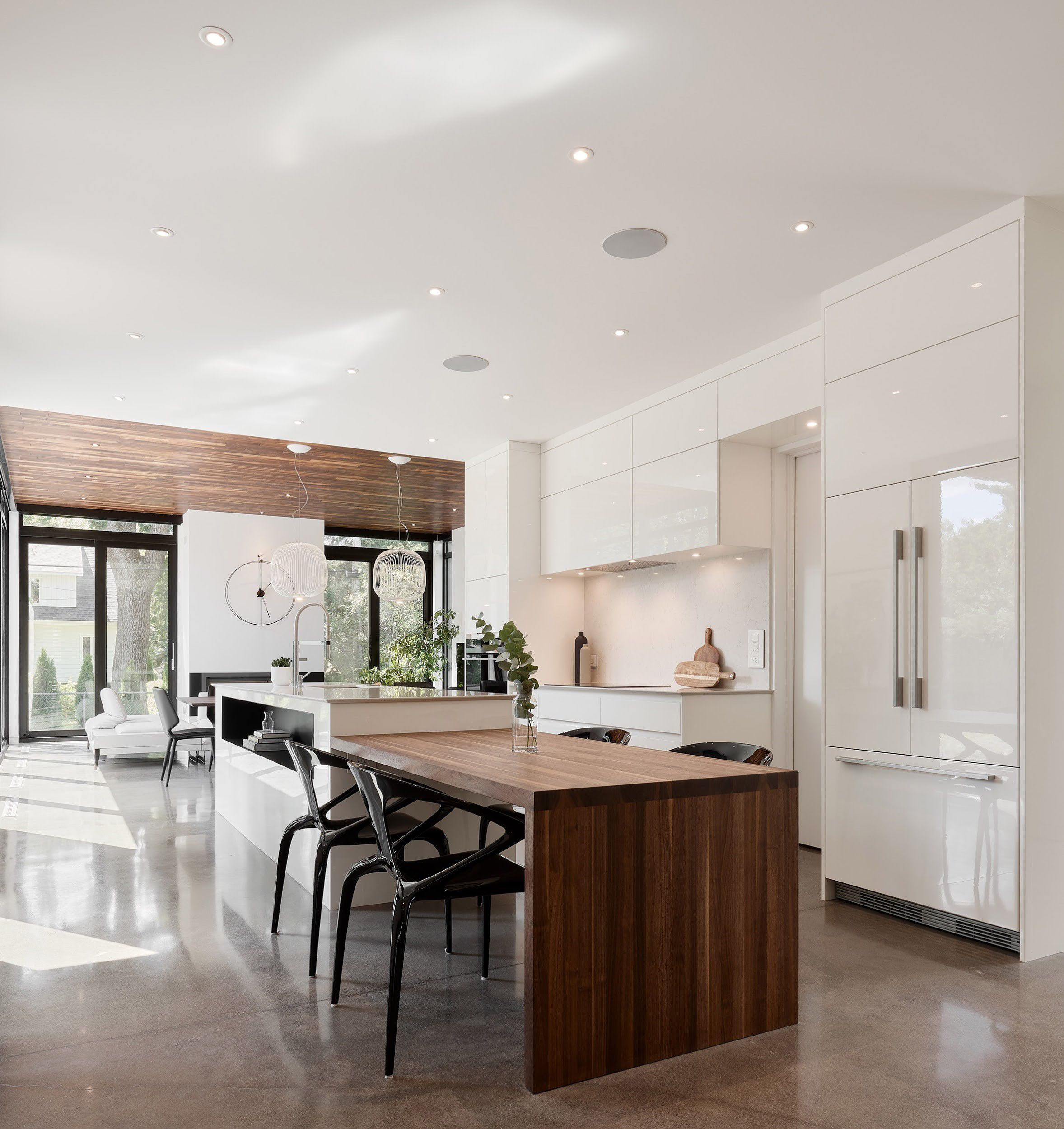 Oak Residence Quebec City – Hatem +D & Étienne Bernier Architecte.
 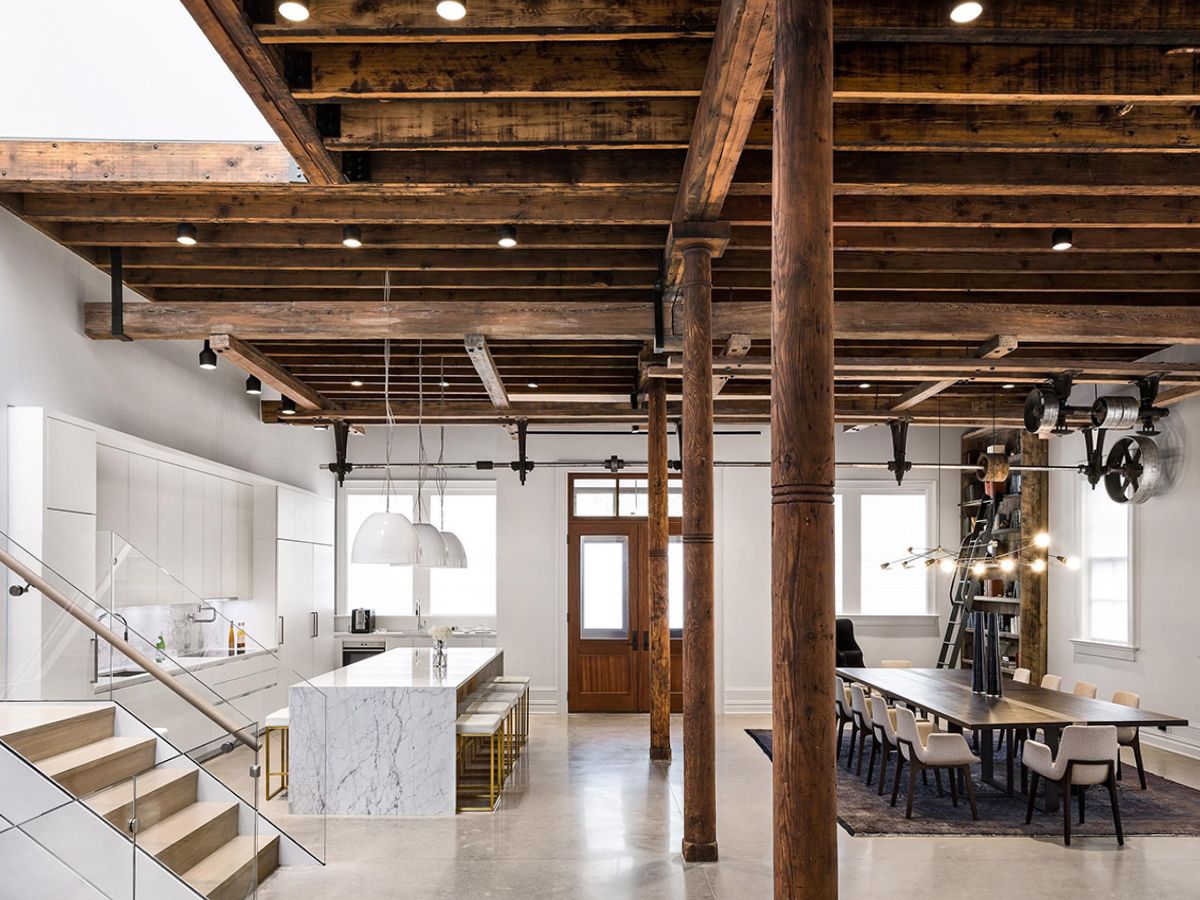 Revealing the spatial structure. Paulus Hook Residence, New Jersey – Fogarty Finger Studio.
The websites thietkenoithat.com and housedesign.vn have highlighted the characteristic colors and materials in contemporary interior design.
Color Scheme:
• The dominant color scheme is usually black and white or neutral tones.
• Bold accent colors such as pure red, blue, burnt orange, etc., or unique artwork may be present.
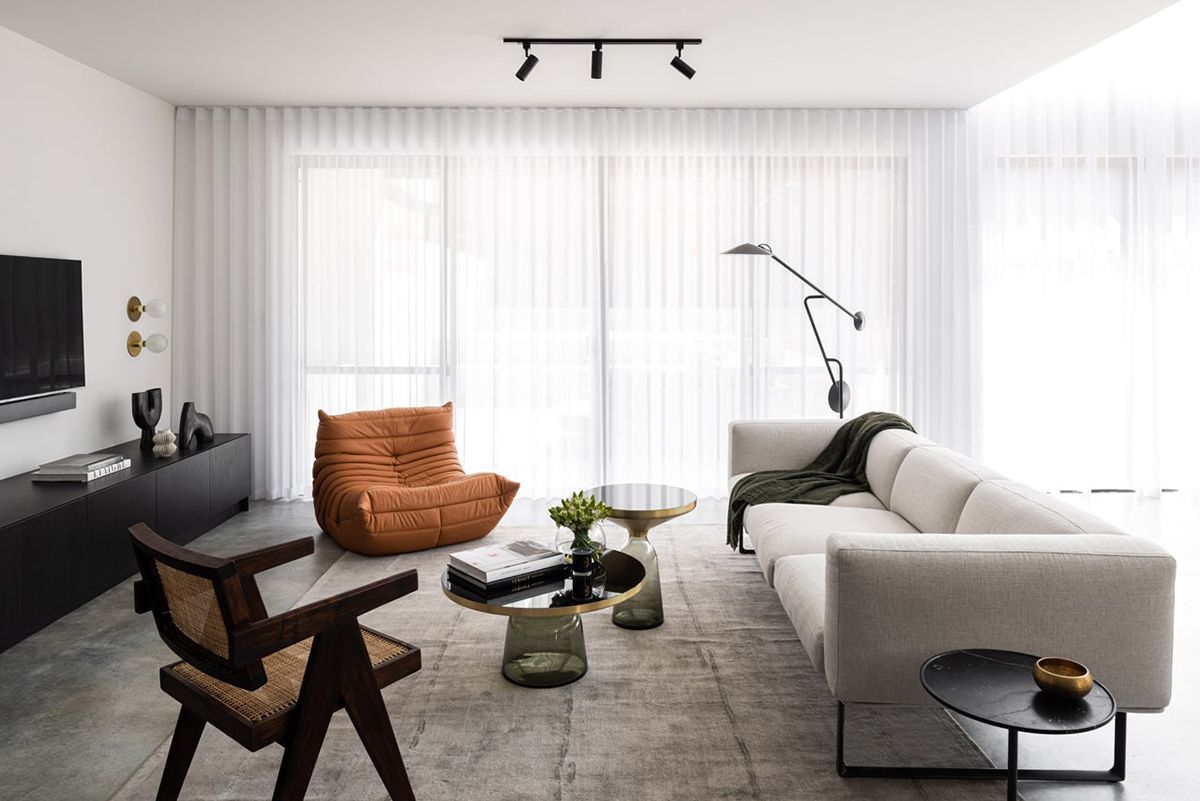 KBS apartment – Nickolas Gurtler interior design. The terracotta orange chair is a focal point in the living room.
 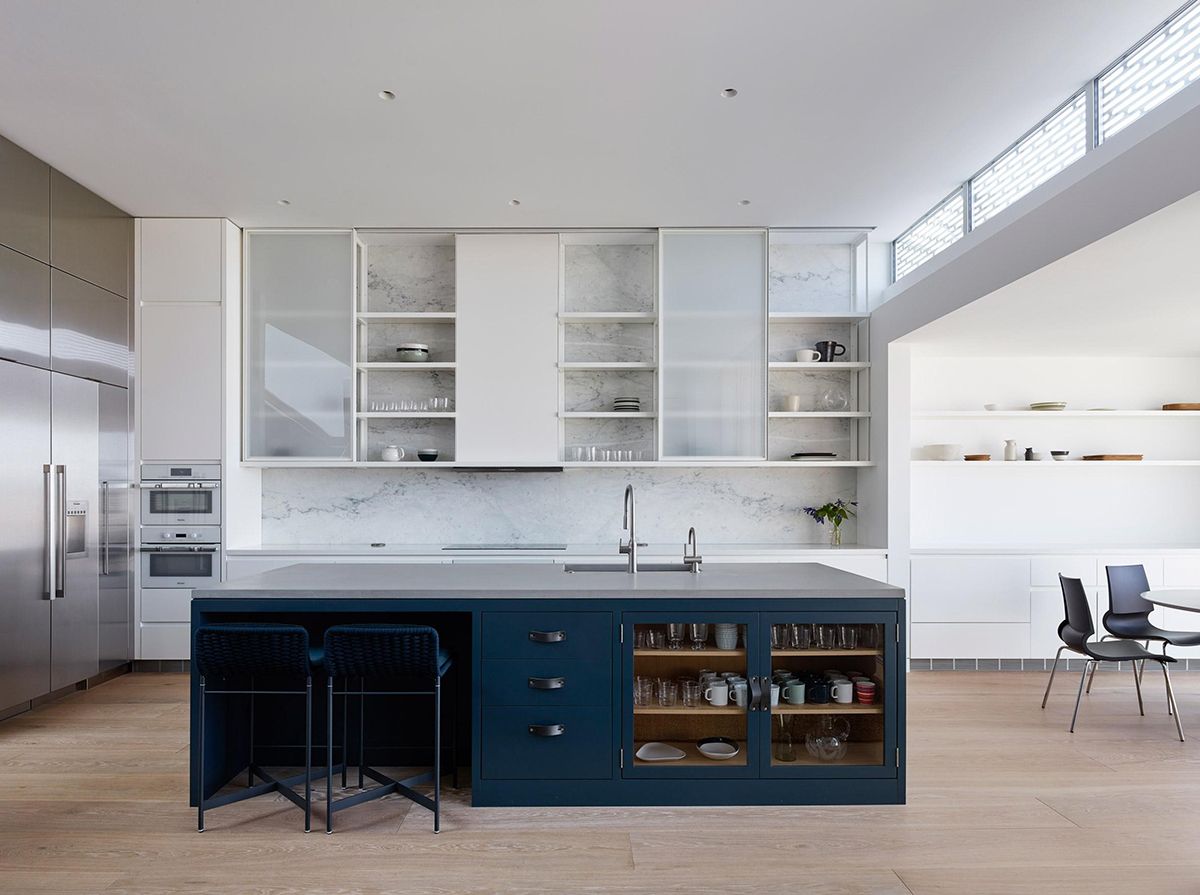 San Francisco House – Jensen Architects. The kitchen island stands out against the room's neutral color scheme.
Materials:
• Prefers trendy materials such as glass and metal.
• Combines well with materials like stone and wood.
• Often uses thick fabrics for curtains and carpets to balance the temperature in the room.
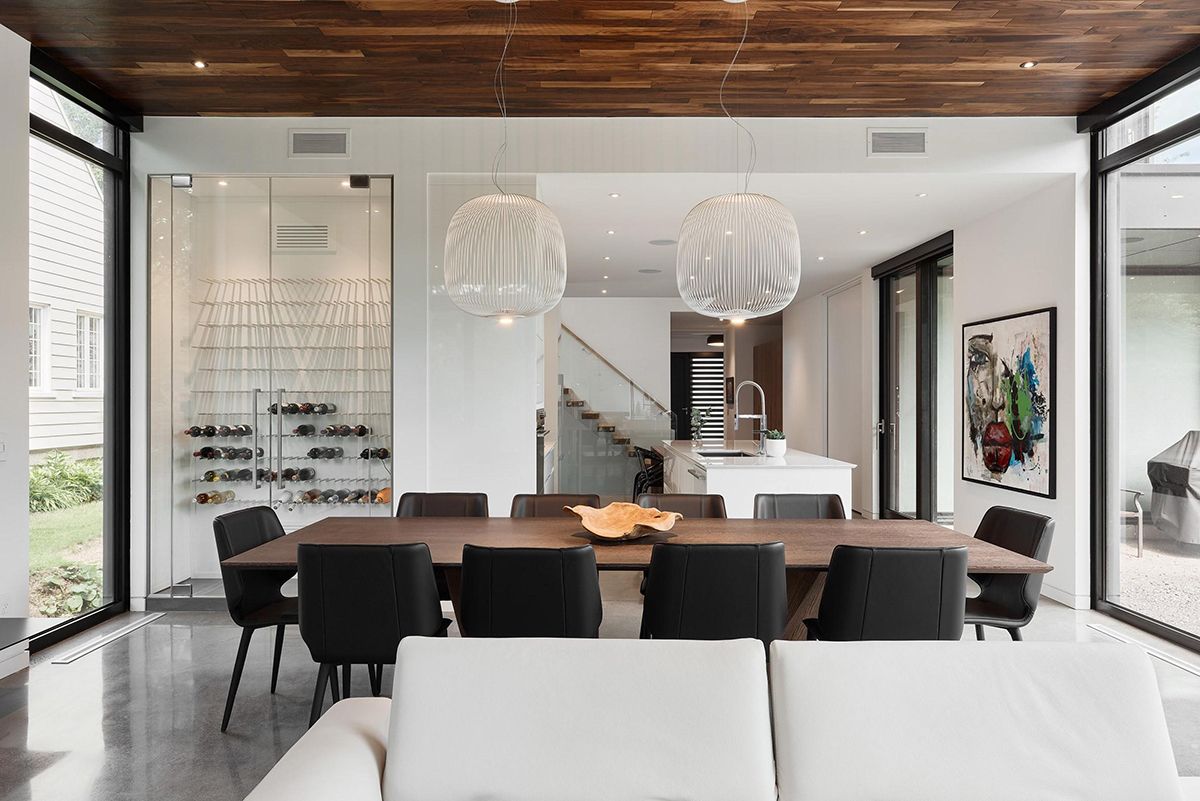 Oak Residence Quebec City – Hatem +D & Étienne Bernier Architecte. A harmonious blend of materials.
According to freshome.com, the following elements constitute the contemporary interior style:
• Contemporary style is not fixed to any particular pattern; it is constantly changing and evolving over time.
• Good use of light is a crucial element.
• It is often combined with other styles such as classical, modern, mid-century, etc., creating a harmonious overall effect.
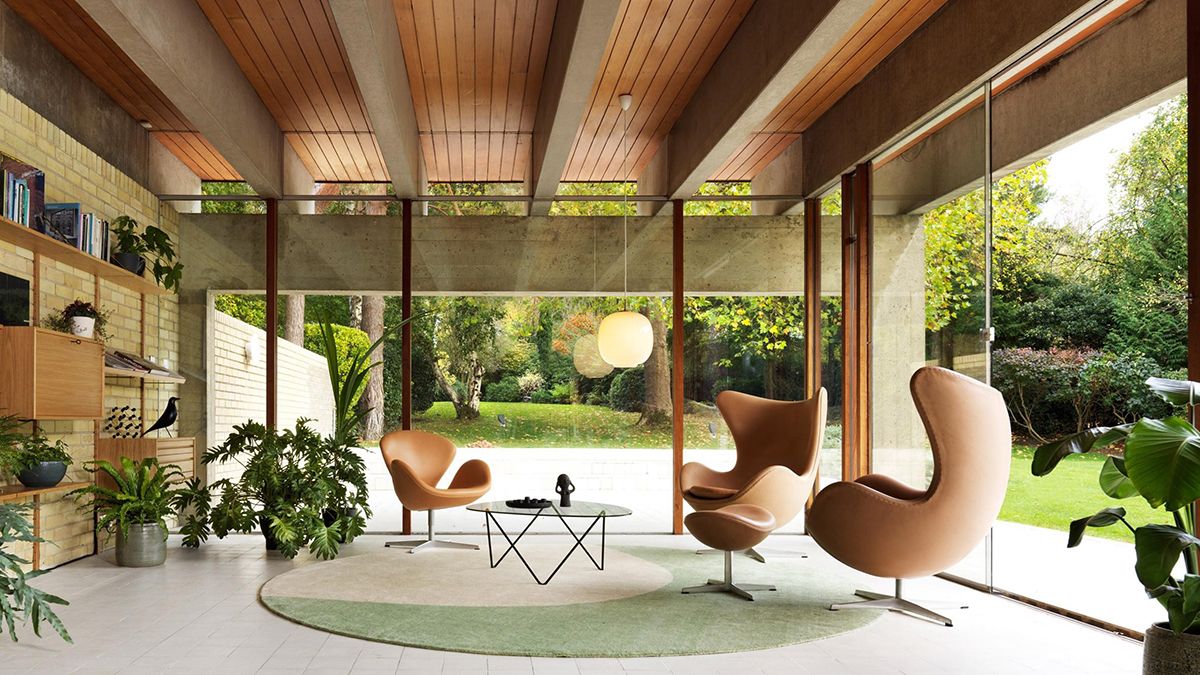 Ahm House – Danish Architect. A blend of Contemporary and Mid-century styles.
 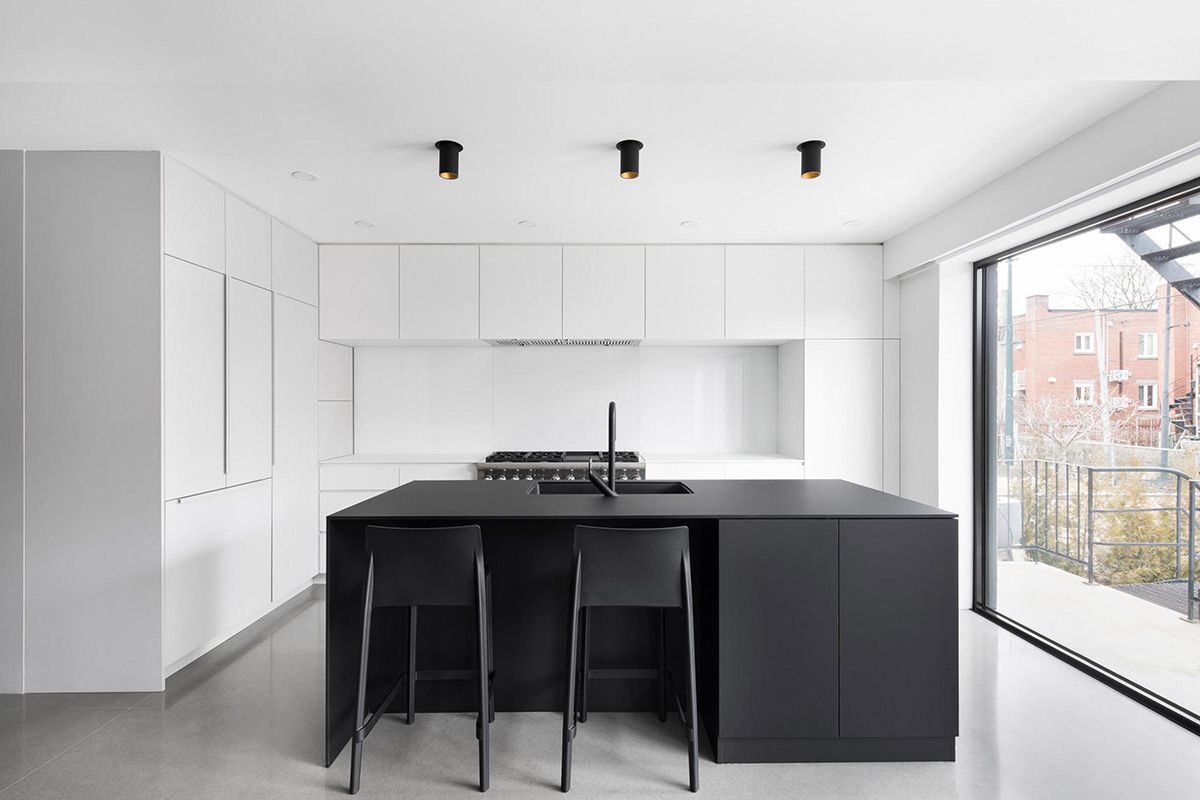 Bessborough Residence in Montreal – Canadian studio. Contemporary and Modern.
Furthermore, in other styles, functionality is usually prioritized over form by the designer. But in contemporary style, these two are placed on equal footing, because form is one of the fundamental elements of contemporary design, and is key to making this style stand out and differentiate itself from others.
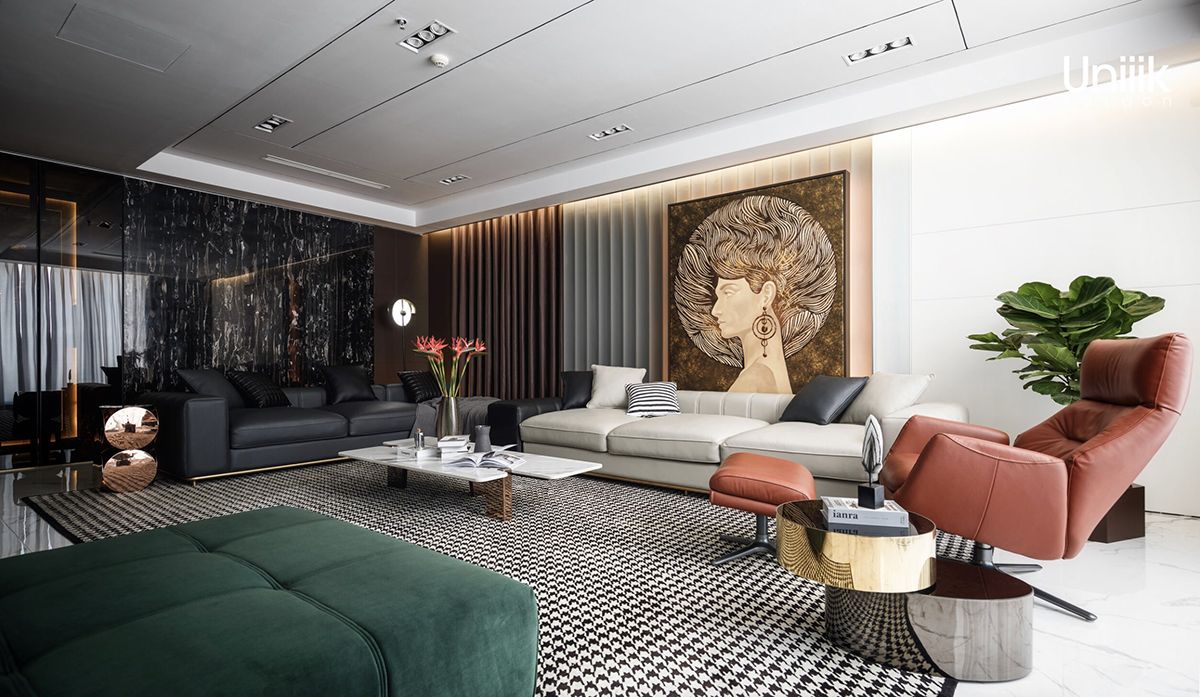 Hanoi apartment – Uniiik Sai Gon
Sometimes, interior designers incorporate contemporary elements into a backdrop of a completely different style. The skillful integration of these elements creates spaces with high aesthetic value. A prime example is Colonial House in Spain by Síol Studios.
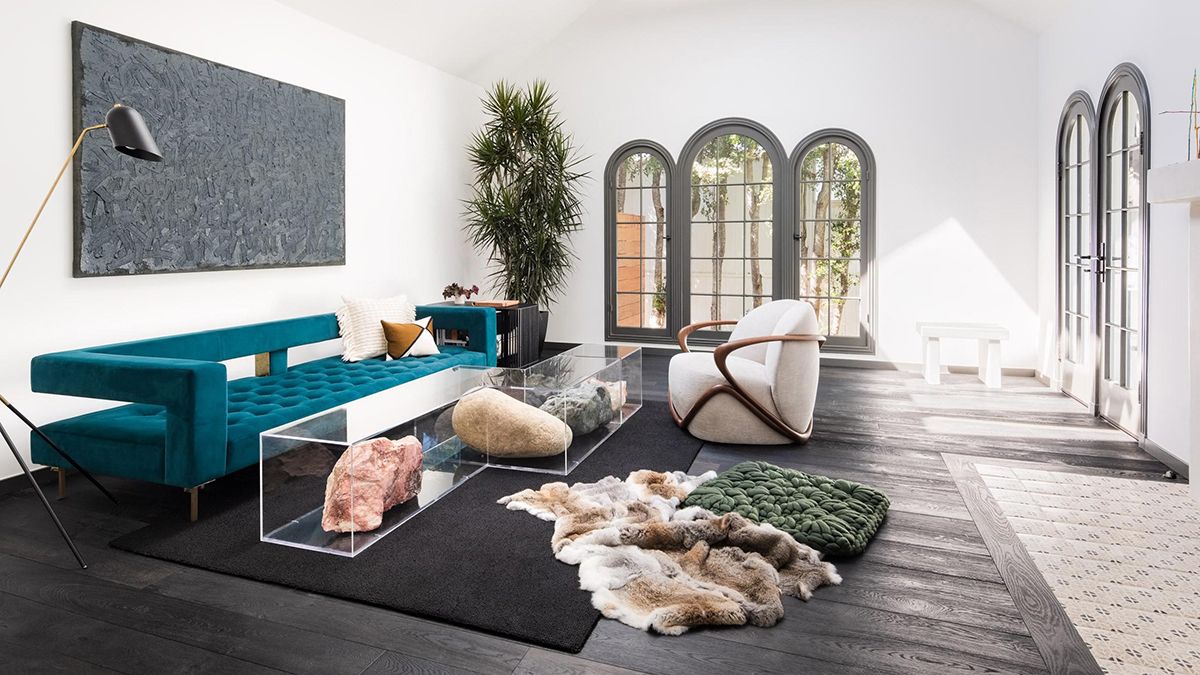 Spanish Colonial House – Síol Studios. Contemporary interior design set against a backdrop of classic archways.
Contemporary style is increasingly being applied to interior spaces in restaurants, offices, and homes. This is because it's not bound by a fixed formula; it's constantly evolving to suit the surrounding environment and the psychology of the users. Furthermore, contemporary designs utilize many local elements, from materials and colors to shapes, to create a connection between people and their living spaces.
Those who prefer contemporary style are often individuals with strong personalities or unique aesthetic tastes. They follow trends at any given time, create trends within that timeframe, and constantly evolve to expand their ideas. In today's developed society, contemporary style is becoming increasingly popular due to its practicality, especially among younger generations.

 Hotline: 0936 777 137 (KTS Cao Thi) | 0776 344 944 (Ms.Thảo)